Stephen DeAngelis
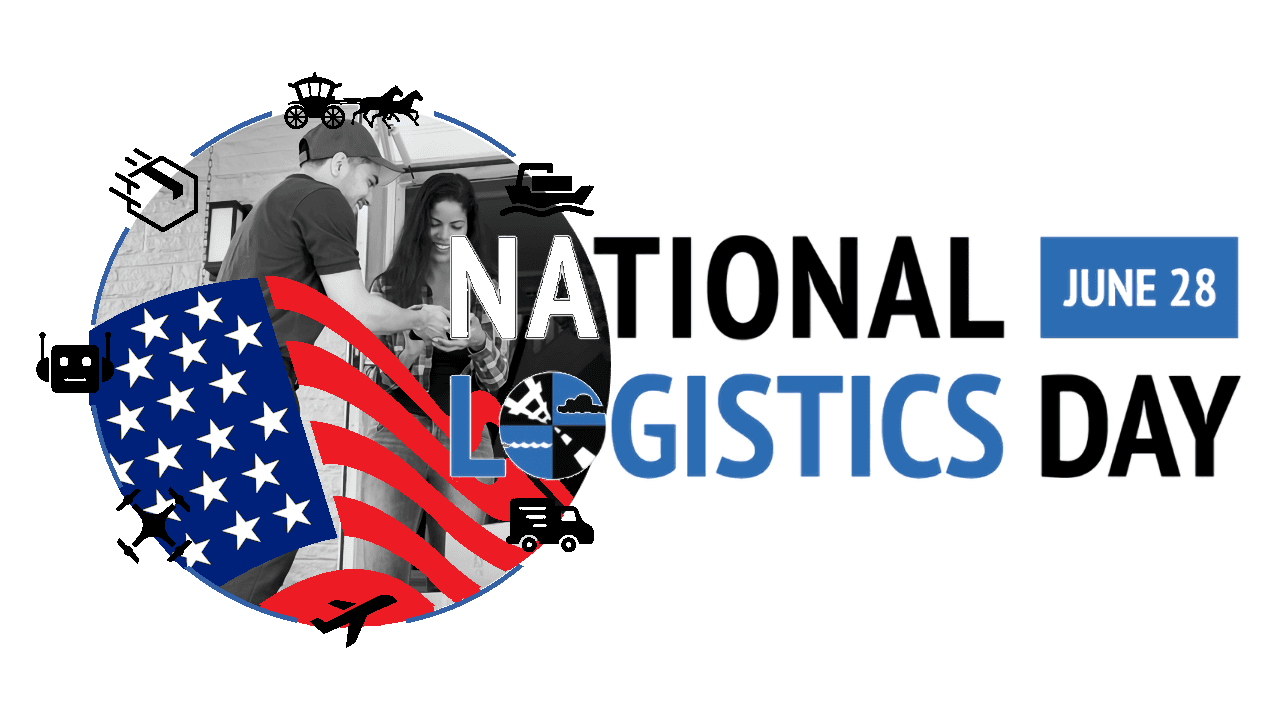
Every product in your home is there thanks to logistics professionals. We don’t often think of the complex system of transportation that moves goods around the world, around the country, and even around our local neighborhoods. National Logistics Day is a good time to remedy that situation and to thank the millions of Americans working in the logistics field. When you count all workers involved in the physical movement of goods (i.e., logistics, transportation, and warehousing), there are nearly 9 million people in the US. They are critical for helping us maintain our way of life. On Sunday, 28 June, America celebrates National Logistics Day to honor the contributions these professionals make every day of the year.
National Logistics Day was initiated by Logistics Plus and was first celebrated in 2019. As the National Today staff observes, “Even though National Logistics Day is a very recent development, the links that make up the modern world of logistics have been in place for centuries.”[1] The National Day Calendar staff further builds on that idea. They write, “The logistics industry first started to take form when Marco Polo traveled to China on the Silk Road. His detailed written record paved the way for future traders and merchants traveling between Europe and China. In 1896, the invention of the ‘horseless carriage’ semi-truck improved how goods moved across our country. Just 14 years later, the first air cargo flight took place in 1910. The flight between Dayton and Columbus dramatically increased the speed with which goods could be delivered in the U.S. By 1956, the first container ship sailed from the port of New Jersey to Texas. Shipments forever changed how goods moved around the world. These advancements demonstrate how logistics connect the world — and always have.”[2]
The staff at Logistics Plus reports that the global logistics market is on pace to generate over eighteen trillion dollars by 2030.[3] They report that they initiated National Logistics Day “to recognize and appreciate the importance of the logistics industry in both our national and global economies.” The staff at Last Mile Logistics asserts it also a day to celebrate the “technologies that keep goods moving across the country and around the world.”[4] They add, “Whether it is getting products to manufacturers or onto store shelves, the logistics industry is at the core of modern business life. From warehousing and shipping to vendor management and last-mile delivery, the logistics network operates 24/7 to ensure a seamless operation.”
As I noted at the beginning of this article, the logistics sector is complex. Staff members at Taylor Logistics explain, “Logistics encompasses managing, coordinating, and implementing various activities involved in transporting, storing, and distributing goods and services. It includes procurement, inventory management, packaging, transportation, warehousing, and order fulfillment. The logistics sector acts as a vital link connecting manufacturers, suppliers, retailers, and end-consumers, ensuring the efficient movement of goods and minimizing disruptions in the supply chain.”[5] Supply chain guru and MIT professor, Yossi Sheffi, explains that the professionals who make the supply chain work are like magicians. He believes people need to understand “how complex supply chains are, and how amazing they are.”[6] He adds, “You should never be upset when something is not available in a supermarket or on Amazon; you should be amazed that something is there, once you understand what it takes to get it there. Supply chains underline not only people’s standard of living by ensuring the availability of medicines and everyday items, but they are crucial to responding to modern challenges such as resilience and sustainability.”
Concluding Thoughts
The Taylor Logistics staff observes, “National Logistics Day serves as an opportunity to recognize and appreciate the immense impact of the logistics industry on global trade, economic development, and everyday life. This day allows us to acknowledge the challenges logistics professionals face and the constant innovations they employ to overcome these obstacles. From managing complex supply chains to navigating intricate regulatory frameworks, logistics experts drive productivity and facilitate seamless cross-border transactions.” Unless you personally know a logistics professional, your most likely contact with one is the last mile delivery driver who knocks on your door when he or she drops off a package at your home. The Last Mile Logistics staff reminds us, however, that there are many more people who deserve our thanks. They write, “Celebrating National Logistics Day means acknowledging the drivers, dispatchers, warehouse teams, freight forwarders, and logistics coordinators who work behind the scenes. It also reminds us to appreciate the day and night logistics efforts that keep supply chains resilient, especially in times of crisis or high demand.” The next time you encounter a logistics professional, take time to say “thank you.”
Footnotes
[1] Staff, “National Logistics Day – June 28, 2026,” National Today.
[2] Staff, “National Logistics Day,” National Day Calendar.
[3] Staff, “National Logistics Day,” Logistics Plus.
[4] Staff, “National Logistics Day,” Last Mile Logistics, 28 June 2025.
[5] Staff, “Celebrating National Logistics Day: Honoring the Backbone of Global Commerce,” Taylor Logistics, 21 June 2023.
[6] MIT News Release, “Yossi Sheffi on AI and the future of the supply chain,” EurekAlert!, 11 April 2023.