May 5, 2026
Stephen DeAngelis
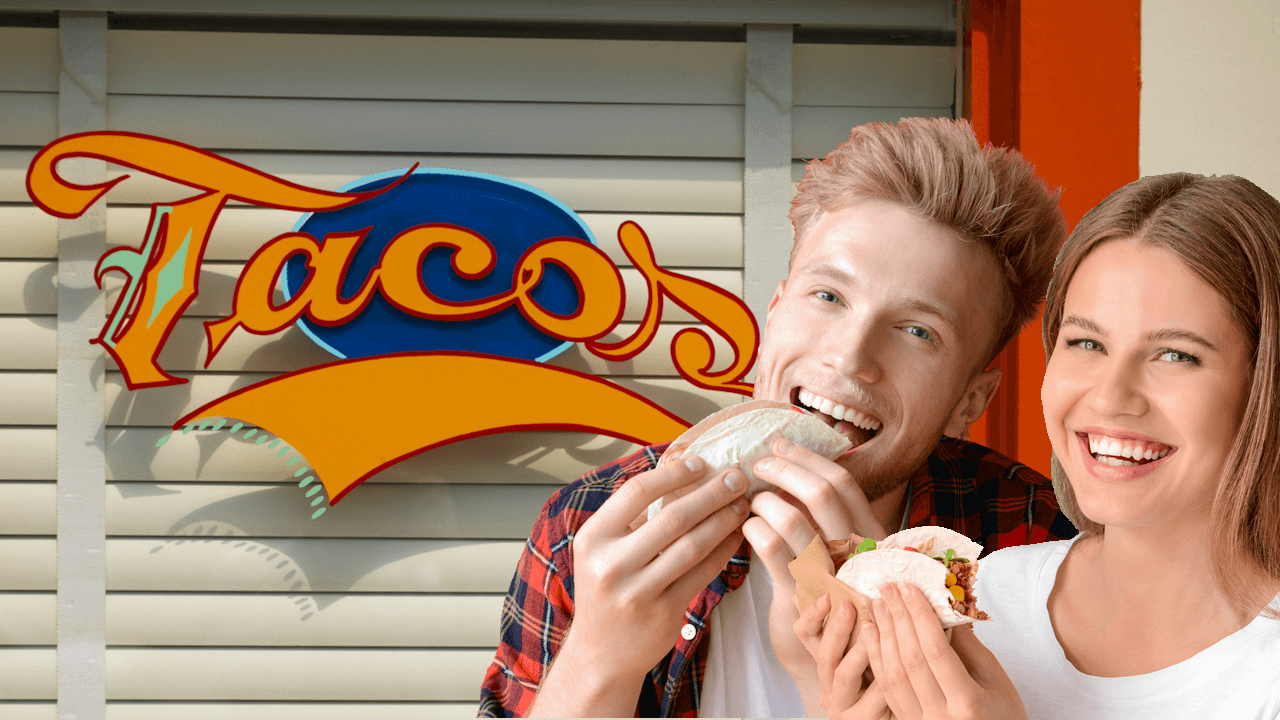
Today diners celebrate the rare confluence of Cinco de Mayo and Taco Tuesday. It will be more than a decade before we can enjoy this double celebration again. It might surprise some people to learn that Cinco de Mayo is more popular in the United States than it is in Mexico. One reason is that the holiday has become associated with the celebration of Mexican-American culture. Cinco de Mayo celebrations began in Columbia, California, where they have been observed annually since 1862.
The occasion for the first Cinco de Mayo celebration was Mexico's victory over the Second French Empire at the Battle of Puebla in 1862, led by General Ignacio Zaragoza. The victory was short-lived. A larger French force ultimately defeated the Mexican army at the Second Battle of Puebla and then occupied Mexico City. Following the end of the American Civil War in 1865, the United States began lending money and guns to Mexican forces who eventually managed to push France and its Mexican supporters to the edge of defeat. In January 1866, Napoleon III announced that he would withdraw French troops from Mexico. However, in the United States, Cinco de Mayo eventually became the annual celebration of Mexican heritage and culture.
Taco Tuesday has been around for a much shorter period of time. Gregory's Restaurant & Bar, located in Somers Point, New Jersey, lays claim to the original “Taco Tuesday,” which it started celebrating in February 1979. The restaurant notes that, in 1982, the US Patent office granted it the service trademark for Taco Tuesday® — a trademark it still displays on its website. A decade later, the Taco John’s fast-food chain obtained a trademark for the term “Taco Tuesday” throughout the rest of the United States. In 2023, Taco Bell successfully petitioned to cancel the “Taco Tuesday” trademark. Taco John's abandoned the mark in 49 states due to high legal defense costs, with Gregory's Restaurant & Bar also relinquishing the final trademark, making the phrase free for all to use.
Celebrating the Day with Food and Fun
The staff at Twisted Taco restaurant in Atlanta notes, “The taco as we know it today is a blend of ancient Mexican recipes and international influences. However, before it was known in America, natives in Mexico were eating a version that looked quite different. … Tacos are thought to come from Mexico, long before the Spanish arrived. Ancient Mexicans used freshly made, soft, flat corn tortillas and gave them with fillings like fish and cooked organs. It was a staple meal that provided vital nutrients and energy to those who consumed it. These tacos didn’t contain the cheese, lettuce, sour cream, and tomato that we associate with the meal today. In fact, the taco as we know it is less than 100 years old.”[1] They go on to note, “The word ‘taco’ is quite new. It originated from Mexican silver miners in the 18th century. Gunpowder was wrapped in a paper like a ‘taquito’ and inserted into rocks before detonation. By this time, tacos were known as the food of the working class, which included miners. This resulted in their portable street food being called ‘tacos de minero,’ also known as ‘miner’s tacos.’ The tortilla in these miner’s tacos wasn’t a hard U-shaped shell like we know today. Instead, it was a corn tortilla with a spicy filling. This daily staple was filling, delicious, and affordable.”
According to the Twisted Taco staff, the taco was first introduced to the United States in 1905 by Mexican migrants working on railroads and in other jobs. As it was in Mexico, the taco was an affordable street food. They report, “Americans first became exposed to tacos through Mexican food carts in Los Angeles that were run by women called ‘chili queens.’ These ladies sold delicious economic Mexican food like soft corn tortilla tacos, and they were deemed exotic by any American that tried one. The fillings were incredibly spicy and unfamiliar to the American palate.” To better meet the American palate, chicken and ground beef became favorite fillings along with cheddar cheese, lettuce, and tomatoes. In other words, like Cinco de Mayo, the taco has become a Mexican-American fusion — and something to celebrate.
The folks at General Mills are calling today a “‘Taco Totality,’ a rare taco eclipse where two taco-filled occasions align — and won’t again until 2037.”[2] To celebrate this “taco eclipse,” restaurants and supermarkets are featuring traditional Mexican food and drinks. The folks from 10th Branding urge retailers to take advantage of this taco eclipse. They note, “Cinco De Mayo is not just a celebration. It is your most significant revenue opportunity of the second quarter.”[3] And journalist Jill Dutton writes, “As one of the premier food celebrations in the U.S. calendar, Cinco de Mayo has evolved from a niche date into a high-velocity retail event. For produce, the holiday represents a reliable, repeatable spike in demand that centers on fresh ingredients and authentic flavors. This year presents a unique opportunity for retailers as Cinco de Mayo 2026 falls on a Tuesday, creating a natural synergy with the Taco Tuesday phenomenon.”[4]
Concluding Thoughts
A couple of years ago, journalists noted, “For Americans with or without Mexican ancestry, the day has become an excuse to toss back tequila shots with salt and lime, and gorge on tortilla chips smothered with melted orange cheddar that's unfamiliar to most people in Mexico. The focus on drinking and eating has brought some criticism of the holiday, especially as beer manufacturers and other marketers have capitalized on its festive nature and some revelers embrace offensive stereotypes, such as fake, droopy mustaches and gigantic straw sombreros.”[5] No one wants to ruin the fun, the celebration of heritage, or the food. So, if you do celebrate today, be sensible as well as sensitive and enjoy your tacos!
Footnotes
[1] Staff, “History Of The Taco,” Twisted Taco.
[2] Andrea Larson, “Cinco de Mayo and Taco Tuesday Fall on the Same Day as Old El Paso Celebrates Rare ‘Taco Totality’ with Exclusive Merch and Tacos for Fans Nationwide,” General Mills Press Release, 22 April 2026.
[3] Staff, “Plan Your Revenue Story,” Instagram, April 2026.
[4] Jill Dutton, “Mastering the Cinco de Mayo Merchandising Surge,” The Packer, 7 April 2026.
[5] Associated Press, “Festivities Planned Across U.S. for Cinco de Mayo,” Food Manufacturing, 6 May 2024.