Apr 9, 2026
Stephen DeAngelis
Almost every year, a new “superfood” is touted that will change forever what and how we eat. The latest such superfood might surprise you: bamboo. Food journalist Flora Southey explains, “The food industry’s next be ‘superfood’ could be right under our noses. The world’s fastest growing plant, which grows on almost all continents — with the exception of Europe and Antarctica — is being studied for its wealth of surprising health benefits. According to researchers, the plant is not only nutrient-rich, but could also help improve metabolic health.”[1] Health and wellness writer Stacey Colino adds, “While bamboo consumption might be closely associated with pandas, many cuisines across Asian cultures, including India and China, consider bamboo shoots a culinary staple. Now, a recent review of scientific research suggests that bamboo shoots should be elevated to superfood status because of the slew of health benefits they offer.”[2]
The Resilience of Bamboo
Southey was correct that bamboo is not native to Europe; however, there are locations in Europe where bamboo can be grown and harvested. Bamboo expert Fred Hornaday explains, “There are close to 2,000 known varieties of bamboo, native to Asia, Africa, the Americas, and even Australia. That makes Europe the only habitable continent with no endemic species of this prolific grass. But the region certainly has its share of bamboo enthusiasts. And now efforts are finally underway to bring bamboo farming and industry to Europe.”[3] In fact, Hornaday reports that Europe is the world’s first or second largest market for bamboo products and that southern countries, like Portugal, Spain and Italy, have the best climates for farming bamboo.
The staff at FoodPrint observes, “Bamboo is an environmentally friendly product, whether it is used for food or to make products like chopsticks, or building materials like flooring. It grows quickly, and in most cases does not require irrigation, fertilizer or pesticides. Bamboo forests also sequester more carbon than regular (tree-centric) forests.”[4]
The Health Benefits of Bamboo
During the study to which Colino refers, researchers reviewed 16 previously published research papers on the benefits of bamboo and, from those studies, concluded, “Human bamboo food consumption may have multiple health benefits.” In the abstract for the paper, researchers note, “In vivo studies [i.e., studies performed or taking place in living organisms] demonstrated a protective effect against internal exposure to acrylamide and glycidamide, an improvement in glycemic control, improvement in lipid profile, improvement in bowel function, an increase in antioxidant and anti-inflammatory activity, a lower cell toxicity and increased cell viability but also an association with a high prevalence of goiters. In vitro studies [i.e., studies performed or taking place outside of living organisms] demonstrated antioxidant activity, probiotic effects, inhibition of furan formation, high nutritional value and reduction of acrylamide formation during food processing. The findings … suggest that if appropriately prepared, the consumption of bamboo may have multiple health benefits for humans.”
Southey explains that if compounds in bamboo can actually “reduce the formation of acrylamide — toxic chemicals associated with fried or roasted foods — in the body … eating bamboo could even be used to make other foods safer.” And Colino reports, “Not only do [bamboo shoots] have nearly three grams of protein in a cup and are low in fat and calories, but they also contain fiber, essential amino acids, selenium, potassium, copper, phosphorus, iron, vitamin A, vitamin B6, vitamin E, vitamin K, thiamine, and niacin.”
The Big Caution
Bamboo shoots are edible to a point. When researchers state that bamboo could have health benefits “if appropriately prepared,” it’s an “if” worth paying attention to. Freelance health and nutrition writer Rachael Ajmera, explains, “Fresh bamboo shoots contain toxic amounts of the cyanide taxiphyllin. However, different processing methods greatly reduce their taxiphyllin content, making them generally safe for consumption.”[5] If the term “generally safe” doesn’t fill you with confidence, Ajmera explains that eating bamboo may affect your thyroid gland function. She notes, however, “Fortunately, getting enough iodine and selenium in your diet can help prevent thyroid dysfunction.”
According to Ajmera, “Fresh bamboo shoots are versatile and easy to prepare.” In this case, the term “easy” doesn’t mean “quick.” The FoodPrint staff suggests the following when looking for fresh bamboo shoots, “Fresh bamboo shoots are tapered and look sort of horn-like, and vary in size from a few inches to about palm-size or even larger. When peeled, they are creamy yellow to beige in color, and may still have soil clinging to them. The shoots have a fairly sweet, earthy taste, but are special because they retain their crunchy characteristics even when cooked. Look for fresh shoots without mushy or black spots and that feel fairly heavy for their size. They require quite a bit of processing to make them edible. Otherwise, canned shoots are a good choice — you’ll be able to find good quality ones at most markets.” Ajmera recommends the following steps when preparing fresh bamboo shoots:
• To get started, peel them and remove the fibrous outer layers.
• Next, add them to salted, boiling water and cook them for at least 20–30 minutes or up to 2 hours at medium-low heat. This helps remove the bitter taste and softens the texture.
• You can use a skewer or toothpick to check whether they’re ready. Ideally, the skewer should go through without resistance. After cooking the shoots, it is recommended that you soak them in clean water for 2 to 4 hours. Change the water two or three times. Then you can taste a shoot to see if the bitter taste is removed.
• If the shoots are ready, remove them from the water then slice them and add them to your favorite recipes.
Or, like the FoodPrint staff notes, you can go buy canned bamboo shoots in the store.
Concluding Thoughts
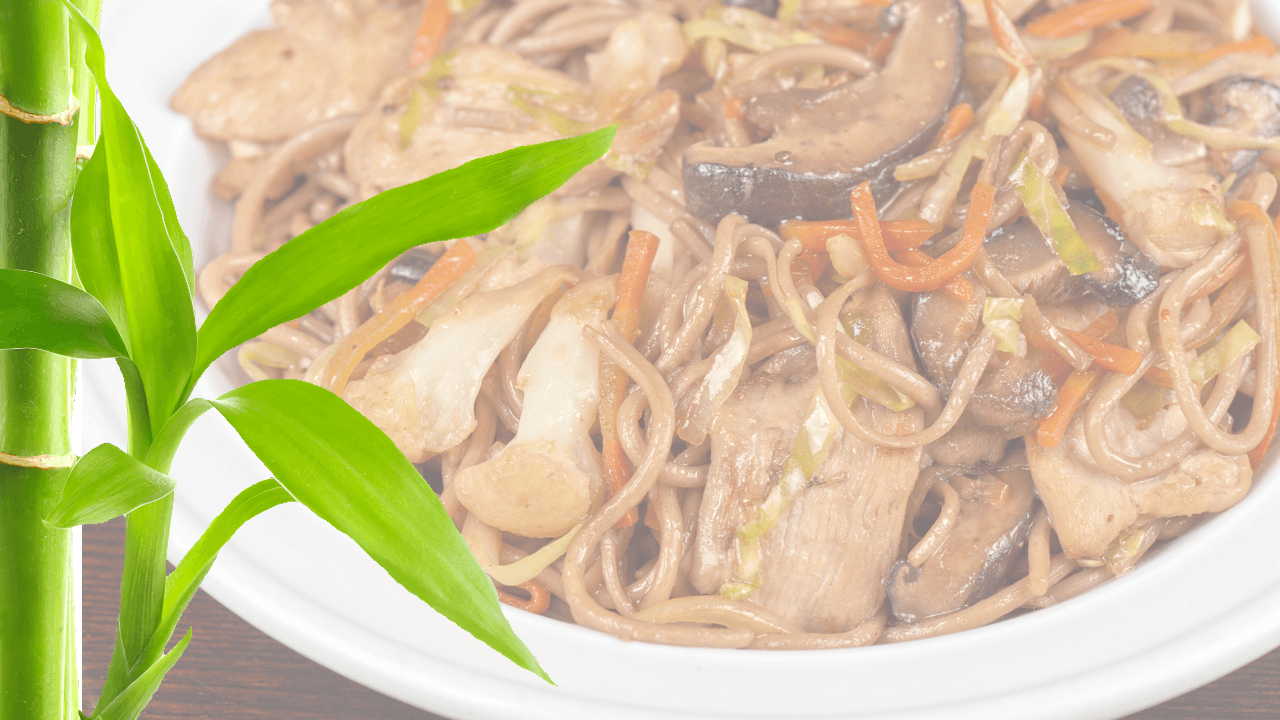
There are numerous recipes, most of them Chinese, that include bamboo shoots as an ingredient. They can be used in soups, salads, stir fry, and as a snack. Joan Salge Blake, a clinical professor of nutrition at Boston University, told Colino, “They’re an interesting food that we all forgot about — it’s like a retro food that’s a pretty darn good source of nutrition. With this much fiber, they’re going to be good at keeping you regular and they’re good for the gut microbiome.” Just as importantly in today’s economy, bamboo shoots are generally considered an affordable and budget-friendly ingredient.
Footnotes
[1] Flora Southey, “A new ‘superfood’ ingredient? The world’s fastest growing plant shows big promise,” Food Navigator Europe, 27 January 2026.
[2] Stacey Colino, “The science of why bamboo shoots are a superfood,” National Geographic, 11 February 2026.
[3] Fred Hornaday, “Bamboo Farming and Industry in Europe in 2024,” Bambu Batu, 28 February 2024.
[4] Staff, “Real Food Encyclopedia|Bamboo,” FoodPrint.
[5] Rachael Ajmera, “Are Bamboo Shoots Good for You? All You Need to Know,” Healthline, 14 May 2021.